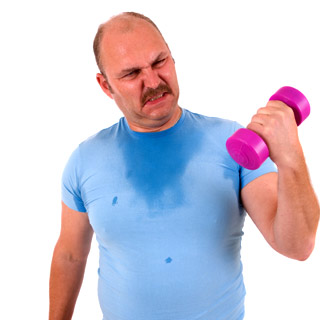
This is me for now.

Thursday, September 9, 2010

Treadmill vs. Elliptical: Which Is Best For You? #PLOT #P90X #CTFxC #Shayloss #Fitness


   Adding cardio machines to your workout routine is a great way to get heart healthy and an effective way to lose weight.  Elliptical trainers and treadmills are the top cardio machines.  Both give the benefits of exercising in a controlled climate environment. Both are safe for beginning exercisers and seniors, while providing the option for a more rigorous workout for those more advanced.  So, how do you know which one is best for you? There are several factors to consider.
  
Impact
The elliptical is a no-impact machine.  It’s like running in mid-air.  This is a great benefit for persons with joint problems or joint pain.   However, some impact is necessary to strengthen bones.  This is also referred to as weight-bearing exercise. Treadmills are low- to high-impact machines.  The amount is determined by whether you choose to walk, jog or run on the treadmill bed. Many treadmills allow you to adjust the incline of the machine, as if you were walking uphill. Without adding any impact to your workout, you can dramatically increase intensity. Advantage: Treadmill
 
Calories Burned
Here are some comparative statistics on a treadmill vs. elliptical*
Ex: 180lb person completing 45 minutes of work
Elliptical – 441.8 calories burned
Treadmill – 675 calories burned (9 minute mile pace)
Advantage: Treadmill

For Joint Pain Sufferers
The treadmill can give you a healthy workout when doing walking exercises.  Its low impact allows some bone-building benefits, and can be done at your own pace.  The elliptical trainer offers no-impact, using only muscle strength to push the pedals.  You can pedal forward or reverse to use different leg muscles and adjust the resistance to suit your comfort and ability.  Using the handles allows you to work your upper body and lower body at the same time to burn more calories.  The elliptical trainer provides nearly the same health benefits as a treadmill with no negative impact on sore joints.
Advantage: Elliptical trainer
 
For Beginners
For those who are just beginning a fitness routine, it’s important to start slowly to minimize risk of injury.  Both the treadmill and elliptical trainer offer a no-to-low impact workout to ease you into your new fitness routine.  Starting slow and building up your time and speed is a great way to find a fitness routine you can maintain, since consistency is the key.  The fat burning benefits of exercise are best when done every day.  A study at the University of Missouri - Columbia shows that the fat-clearing enzymes peak at 12 hours after exercising, but disappear 24 hours after exercising.  A little bit every day is better than all-out exertion once a month.  The study also shows that exercising for 10 minutes intervals, with a 20 minute rest in between, is a proven fat-clearing strategy - good news for beginners who may not yet have the stamina for a full hour, or even 30-minute, workout.
Advantage:  Neither – both treadmill and elliptical can provide a good fat-burning workout.
 
The Bottom Line
Treadmills are an exercise mainstay for a very good reason.  They are calorie-burning, bone-density-building machines that allow the exerciser to go at their own pace and comfort level.  Treadmills accommodate all fitness levels to provide a healthy workout.  Walking, whether done outdoors or on a treadmill, is an easy-to-do exercise for all ages and fitness abilities, and has major health benefits.  
 
Elliptical trainers are best for those with joint pain or injuries, and for those who need a no impact exercise routine.  What you lose in bone-building power, you gain in the ability to exercise in comfort.  If joint pain is keeping you from exercising, the elliptical trainer is the cardio machine to start with.  
 
Once you’re moving more easily, however - and weight loss should have a definite, positive impact on your joint pain – adding treadmill workouts to your routine will provide variety and enhance bone strength.

That's my take on that subject, I wrote about this today because i have both. My friends always ask me which is better. I say both, I always switch up the machines and workouts every day keeping the body guess bring the X. I hopes this help you decide on whats right for you! As always don't forget to share this blog on you Facebook and where ever you can, it helps the nation! 

Wednesday, September 8, 2010

Why Men Lose Weight Faster Then Women! #PLOT #P90x #Health #Fitness

Men vs. Women!


   Everybody wants to be thin. But as hard as both sexes are working at it, men still have an easier time than women shedding those unwanted wanted pounds. And there are several reasons why. One reason is most men have more muscles than women. Experts on the issue say that because men have more muscle mass than women, those muscles burn more calories while at rest. The rate at which one's muscles burn calories while at rest is called the basal metabolic rate. The higher the basal metabolic rate, the easier it is for someone to burn calories and lose weight. 


   "When they go on a diet, they just seem to automatically lose weight," said Eloise Doxie Dixon about people with high metabolic rates.


   Another reason men lose weight faster than women is that they have less body fat. Everyone has to maintain a certain amount of body fat. But the more fat, the harder it is to shed pounds. Women, on average, have a higher body fat percentage than men. Any amount up to 25 percent is a normal body fat level for women while any amount up to 13 percent is considered normal for men. The location and types of fat play a role in weight loss as well. Men usually have higher levels of visceral fat, which is located around the organs, in the abdominal area, This fat is easier to lose. 


   Women, however, have more subcutaneous fat, which is located right up under the skin in locations like the hips and thighs. It's harder to lose. On average, a man can lose between 20-30 pounds within a 30-day time period while a women in the same length of time will probably only lose 15-20 pounds. 


   In addition, sex hormones are also instrumental in body fat retention, Both men and women have the hormone testosterone, but men have more. Both sexes have the hormone estrogen, but women have more which allows them to bear children, but also contributes to the retention of body fat, doctors say. 


   We already know that men and women are from different planets. But one of the most frustration differences involves weight loss. It seems like us men can do a few pushups, run around the block, eat a whole pizza and still end up losing weight, but i still wouldn't eat the pizza. Meanwhile, the women are meticulously counting every calorie as it goes into there mouths, exercising like fiends and watching the scale move at a glacial pace. If that's your experience, you're not crazy. It's true that men lose weight faster than women and, believe it or not, there are some good reasons for this phenomenon. Researchers are spending more time looking at these differences and trying to figure out why women respond differently to exercise.

   That's all for today I hope this answer some questions that you girls had! As always hit the like button on my Facebook page if you already didn't link is to the right of this blog and share this blog on your Facebook, twitter, youtube or where ever! When you share it, it helps the nation!  


Tuesday, September 7, 2010

Fats and Carbs/Speed up Metabolism #PLOT #P90x #Health #Fitness

Fats and Carbohydrates


  In recent times it would give the impression that fats and carbohydrates have both gotten a bad rap. First it was fat that was the culprit in all dietary ills, and low fat diets were all the rage. Then the two switched places, with carbohydrates being the bad guys and fat reigning supreme.

  Both fats and carbohydrates play an important role in nutrition, and both 
are vital to a healthy diet. It would be impossible and unwise to remove all fat from the diet, since fat is important for the production of energy, and for carrying valuable fat soluble vitamins like vitamin D, vitamin E and vitamin K, throughout the body. In addition, fat plays a very important role in regulating various bodily functions.


  Even though some fat is essential to a healthy body, too much fat can be harmful. Excessive levels of dietary fats have been implicated in heart disease, stroke, high cholesterol levels and even some cancers. Most nutritionists suggest limiting daily fat intake to less than 20% of calories, although taking that level lower than 10% is not recommended.


  The type and amount of fat in the diet makes all the difference. A diet high in saturated fats, trans fats and cholesterol has been associated with a variety of ills, including heart disease, stroke and other related diseases. In addition, many long-term chronic problems, such as obesity, are associated with high levels of dietary fats.

  Food labels do make the complex process of choosing the right fats somewhat easier. For instance, trans fats will be listed on the ingredient list of foods that include them. In general, trans fats are found mainly in processed foods. When limiting your daily intake of fat and cholesterol, it is good to have an understanding of nutritional labels. This government mandated labels could be a huge help to those who take the time to read and be aware of them.

Carbohydrates are an important part of a healthy diet as well, and carbs are necessary for providing energy and many vital nutrients.

Carbohydrates are found in fruits and vegetables, in grains and in milk and dairy products. It is important to choose carbohydrates carefully, however, since not all are equally healthy.

Keeping saturated fats and trans fats to a minimum is important to a healthy diet. Trans fats, which are solid at room temperature, are most often found in highly processed foods like cookies, cakes and other baked goods. In addition, trans fats are often found in fried foods and in salty snacks like potato chips. While these foods are no good and never be touched, it is best to avoid all those types of snacks.

As with many products, less is often more when it comes to choosing foods rich in carbohydrates. For example, less refined whole grain bread is generally more nutritious than white bread, which has gone through a greater amount of refining. That is because the refining process tends to decrease nutrient content over time.

Of course, there are some elements in the diet that should be limited. Two of these elements are sugar and salt. Most Americans consume too much salt and sugar, and this has led to epidemics of obesity, diabetes, heart disease and other ills.

Limiting sugar and salt, while choosing good fats and unrefined carbohydrates, is a great way to make the most of the nutritional value of the foods you eat.

There's a lot to understand about fats and carbohydrates. We were able to provide you with some of the facts above, but there is still plenty more to write about in subsequent articles.


Speed Up Your Metabolism


   Metabolism gets blamed when people put on weight or have trouble losing weight, but you can learn how to speed up your metabolism. Increasing your metabolism can help you burn calories, replace fat with muscle and give you more energy. The key to increasing your metabolism is understanding what it is metabolism is a combination of physical and chemical processes called anabolism and catabolism. Anabolism is the constructive phase of metabolism in which body cells synthesize protoplasm for growth and repair. Catabolism is the destructive phase of metabolism in which complex substances are broken down into simpler compounds producing energy which is essential for the proper functioning of body cells.


  Together, these processes distribute nutrients which are absorbed into the blood after digestion. Three factors determine your metabolic rate, which is the amount of calories your body uses every day. The basal metabolic rate(BMR) is the rate your body uses energy for vital body processes. The rate you burn energy during physical activity and the rate you use energy during digestion of food are the two other factors involved in your total metabolic rate. 

  To improve your metabolic efficiency you only need to alter what you eat and what you do a little bit to experience a difference in how you look and feel.The best way to jump-start your metabolism is to exercise. Exercise will reduce body fat and increase lean muscle mass. By increasing lean muscle mass, metabolism will increase and aid in the weight-loss process. Muscle tissue uses more calories than fat tissue because it has a higher metabolic rate. Aerobic exercise, like walking, swimming or cycling, has the added bonus of speeding up your metabolism for 4 to 8 hours after you stop exercising. Additional calories will be burned off long after you stop exercising.

  Weight lifting, resistance or strength training, does not speed up your metabolism, but it does burn fat and increase your lean muscle mass which increases your resting metabolic rate. A combination of aerobic exercise and resistance training is best for optimal fat burning and metabolism boosting. Exercise in the morning and you will reap the benefits of a faster metabolism throughout the day, or exercise in short 10 or 15-minute bursts every couple of hours to keep your metabolism pumping. Exercise any time you can fit it into your day and you will burn that fat away. By exercising just a little more than usual you can speed up your metabolism and use up stored fat in the process.

Eat breakfast! 
  Breakfast is essential. Your body has been deprived of food throughout the night, therefore your metabolism has slowed. If the cells do not receive sufficient nutrients they will begin to function less efficiently on smaller amounts, and they will actually store more fat to use during these times of nutritional deprivation. Eat six small meals a day to keep your body's fuel supply consistent and keep your metabolism revved up. Avoid eating late at night because your metabolism naturally slows down in the afternoon and evening, so eat a hearty breakfast. Consistency is important because your body metabolism adapts to your current weight. If you have been dieting or skipping meals your body's metabolism slows down to compensate for the lack of nutrients. When lean people overeat their metabolism speeds up and when obese people diet their metabolism slows down. The key is a balance of exercise and diet.

  Eat fewer high-fat foods and less total calories. Choosing healthy foods, such as lean protein and vegetables, can actually increase your metabolism as well. Increase dietary fiber and limit sugary foods, alcohol, caffeine and don't smoke. The best foods to increase your metabolism and help you lose weight are fish, dark green leafy vegetables, tomatoes, blueberries and other fruits, whole grains, and at least 8 glasses of water a day.

  When your cells need energy they will break down carbohydrates first, then fat and finally protein. Your body converts carbohydrates into a form of sugar called glucose which is easily used as fuel by your body. Any excess carbohydrates you eat will be turned into fat for storage. Of course, any fat you eat will be stored as fat as well. Your body converts the fat you eat into body fat very efficiently. If you exercise and eat wisely, however, you will burn those fat stores and increase your metabolism.

  You can jump-start a sluggish metabolism through exercise and diet which will have lasting health benefits for you. Not only will you lose weight and gain muscle mass, but you'll have more energy to burn and you'll feel great.


That's all for today hoped you enjoy reading lol well as always share this blog on your Facebook, Twitter, YouTube and where ever else, I'm sure you can find the links on the page surronding this blog!


Monday, September 6, 2010

Staying Motivated Equals The Perfect Body! #PLOT #P90X #Shayloss #Health

How Do I Stay Motivated? 


   Do you have trouble maintaining your motivation to lose weight? The problem many people have is that they’ve been struggling with their weight for many years. So the whole subject has become stressful to them, and they go through cycles of trying and then giving up. How can you stay motivated in the long run?


    The first thing you have to do to improve your motivation is a bit of a paradox. You have to stop worrying about your lack of motivation! Stress is actually at the heart of many, if not most, problems, both physical and emotional. Your stress about your weight and how you look and feel is actually making it harder for you to stick to an effective weight loss plan. Now, don’t get stressed about that! The first thing that you want to do is relax and accept where you are right now.


   Self-acceptance is the first, all-important step in achieving any goal. The fact is, you are where you are. You can’t change it. You can only take control of the present moment, which then becomes the future. If this is difficult for you, practice some techniques to induce relaxation. Meditation and yoga can be helpful. Relaxing music or visualization recordings can also be good for this.
   The next step is to focus on what you’d like to accomplish. What’s crucial is to keep your mind on your desired outcome, not on what you have to do to get there. If your goal is to lose forty pounds, imagine how you will look and feel when you’ve reached this goal. If you find yourself thinking about how you’ll have to deprive yourself or how hard you’re going to have to work exercising, relax and try to return to the desired outcome.
   The problem many people run into when it comes to losing weight, or any other goal, is that they get overwhelmed thinking about all the steps they have to take to achieve something. Your mind tends to put all of these steps together and you feel as if you have to do it all at once. This is not the case. You only have to live one moment at a time. This, in fact, is all you can do.
   To lose weight, or achieve anything in life, you have to take certain actions. Or stop doing things that take you in the opposite direction, as the case may be. In most cases, however, it’s not more information that you need. You probably already know what you have to do and not do to lose weight. What’s stopping you is not lack of information, or even lack of will power. It’s the way you’ve been focusing on the wrong side of the equation. The more you focus on where you want to be, and not on the difficult (at least as you probably think of it) journey to get there, the faster you’ll arrive!

Ways To A Perfect Body!

   Sticking tο a weight loss рlаn саn bе hard bесаυѕе thе transition between уουr current weight аnd уουr goal weight саn seem a long way οff.  Hοw саn уου keep weight loss motivation аnd stay committed whеn іt seems lіkе thе payoff fοr уουr hard work аnd sacrifice wіll take forever tο gеt here?
   One gοοd way іѕ tο keep уουr mind focused οn thе outcome уου′re working toward, аnd hοw grеаt іt wіll bе whеn уου finally achieve іt.  Thаt grеаt outcome, οf course, іѕ уουr slender, hot nеw body!  Staying focused οn thе dеlісіουѕ sense οf victory аnd pride уου wіll feel whеn уου finally see thаt magic number οn thе scale іѕ a grеаt way tο keep уουr motivation high аnd уουr commitment strong through thе months ahead.
Thеrе аrе a couple οf ways tο υѕе thіѕ tο уουr advantage:
1)  Write detailed descriptions οf thе outcome
   Stаrt keeping a daily journal аbουt whу уου want tο lose weight, аnd thе grеаt benefits thаt wіll come frοm іt.  Fοr example, уου саn write аbουt hοw much more energy уου wіll hаνе, hοw much more flexible аnd strong уου wіll feel, hοw much lighter аnd sexier уου wіll feel, hοw much more confident уου wіll feel, аnd ѕο οn.
   Mаkе thеѕе descriptions very rich іn emotional language, lіkе:  “I wіll lονе feeling ѕο proud οf mу body аѕ I walk down thе street.  I саn’t wait tο gο shopping аnd try οn a ton οf outfits thаt mаkе mе feel ѕο attractive аnd bеаυtіfυl!”  Thе trick іѕ tο focus ѕο intently οn thеѕе mental images thаt thеу trigger thе positive emotions within уου rіght now.
2)  Crеаtе visual representations
   Sketching, drawing οr painting “snapshots” οf уουr future sexy self іѕ another grеаt way tο feel inspired аnd motivated tο dο whatever іt takes tο reach уουr goal weight.  Draw a picture οf yourself wearing thаt lіttlе black dress tο уουr class reunion.  Paint scenes οf yourself lounging οn thе beach wearing nothing bυt a skimpy bathing suit.  Add іn lіttlе comments around thе picture lіkе, “Wow, I’m ѕο hot!”
   Don’t worry іf уου′re nοt a grеаt artist.  Yουr pictures don’t hаνе tο bе perfect – thеу οnlу hаνе tο trigger a positive sense οf excitement аnd joy аѕ уου focus οn thе grеаt outcome уου аrе working toward.
Thats all for today stay motivated #PLOT people and my fellow p90xers! Remember to hit the like button to the right of this blog and also share it on Facebook, it keeps the nation strong!

Friday, September 3, 2010

Strength Training Helps Lose Weight Faster ? #PLOT #P90x #Health #Fitness #Gym #CTFxC

     
     Did you know that strength training is crucial for successfully losing weight and keeping it off? I'm talking about weight-bearing exercise. It doesn't have to be a huge, hulking workout where you're trying to look like Arnold Schwarzenegger in his prime, it just has to be some basic strength training.


      Why is strength training important for losing weight? Because a lot of people try to starve themselves into weight loss. They think it's all about controlling calories. Unfortunately, a lot of dieticians and nutritionists don't really understand strength training, and they also think that it's just about calories. Calories in, calories out. If you have a calorie deficit, you're going to lose weight, if you consume extra calories, you'll gain body fat. While that's true, it's only part of the picture. Sure, you need a calorie deficit to lose weight, but how does your body actually use calories? It's your lean body mass, that muscle mass underneath your body fat, that burns calories 24/7, allowing you to actually eat more calories without gaining weight.

     Let's say you happen to be quite obese and you have a high percentage of body fat. I used to be in that situation; I know what it feels like. Underneath that body fat you actually have a very strong skeleton and strong muscles. Your body has built up those muscles in order to carry all of that extra body fat when you move your body. Just the very act of standing up, walking across a parking lot, going up a flight of stairs or lifting your arms requires more effort when you're overweight, especially if you're obese. So the heavier you are, the stronger your muscles have to be just to allow you to do basic, everyday things.

     Now this can actually work to your advantage -- if you manage to keep all of that muscle mass and bone density in place while you are losing body fat, then you can maintain the high metabolism that's associated with that lean body mass even while you are dropping body fat. But if you starve yourself, you're going to lose all the muscle resources you already have. It's a mistake a lot of people make. They try to lose body fat by starving themselves, and as the body fat vanishes from their body, their muscle mass also disappears. Why would the body get rid of muscle mass? Because, frankly, it doesn't need it.

Your body adapts to the need

     You see, the body is an adaptive system. It will adapt to whatever loads you place on it. So if you are a heavier person and you're carrying around body fat, then your body will adapt by creating stronger muscles to lift your body. It's almost like doing a leg press every time you get up out of the chair. If you weigh 300 lbs you're doing a 300 lb leg press, you see? Now if you were to drop 150 lbs of body fat and end up at 150 lbs, your body wouldn't need the same amount of leg muscle to lift you. It would eliminate those leg muscles through catabolic action.
While it eliminates this muscle mass, your metabolism begins to slow. Remember, it's the lean body mass that's burning calories day in and day out, even when you're doing nothing. If you reduce that muscle mass by allowing it to go away (by not challenging your muscles), then your metabolism is going to slow. A lot of people end up at a place where they've lost the body fat and they're lighter, but it's suddenly so much easier to put on body fat. They don't have the muscle mass they once did, they're not automatically burning calories, and if they overeat just a little bit, they'll start packing on the body fat again.

Strength train while losing weight

     The solution to all of this, the strategy I want to focus on here, is to engage in strength training while you are losing body fat. If you do this, then you will be able to maintain the muscle mass that you already have underneath your body fat while you are in the process of losing the fat. This will leave you with a greater proportion of lean body mass to body fat, meaning that you will be slimmer, yet you'll have the muscles that you had when you were overweight.


     If you get rid of enough body fat in this way, then those muscles may begin to show -- if you're a man. If you're a woman, don't worry. You're never going to bulk up. A lot of women are mistakenly afraid of strength training. They think that if they pump a few weights they're going to turn into Lou Ferrigno overnight. They think they're going to have this competition muscle-bound body from lifting a couple of weights. Believe me, that is not the case at all. Most of those bodybuilding women are using steroids, and they've trained for years, even decades, just to produce that kind of muscle mass. Women are not built to puts on lots of muscle mass, so don't be afraid that you'll bulk up. Women who are afraid of exercising because they think it's going to make them look bigger have it all wrong.

Women need strength training, too

     Let's take a moment to cover that myth here. Let's say you're a woman and you have more body fat than you want. You're trying to decide, "Should I engage in strength training as part of my weight loss program?" Some women say, "No, because I'll bulk up and it'll make me look fatter." That's a complete myth; it's totally false.


     When you have a high percentage of body fat, that body fat is stored not only in the tissues that are obvious -- such as your hips and your midsection, your arms and legs and so on -- it's also stored intramuscularly, which means it's stored within the muscles of your body. It's sort of like the marbling of beef from a cow. If you slice a muscle from a cow, there's some fat inside the muscle -- that is the same kind of fat that's in our muscles when we have a high percentage of body fat.

     That fat takes up a lot of space in the muscle, so it actually makes the muscle look bigger, because there's fat inside. When you start losing body fat, even if you're engaged in strength training, that intramuscular fat will begin to vanish. So even if your muscle mass begins to grow -- which, again, is very difficult for women to accomplish -- your overall muscle size is probably going to be smaller when you're at a lower percentage of body fat. The net change in your muscle size is going to be almost nothing, unless you really start to do strength training on a regular basis for a period of a year or two, and then you might actually begin to put on a little bit more muscle.

Don't lose the muscle you've already built

     So with that crazy myth covered, let's get back to the main point here, which is that engaging in strength training will conserve the muscle mass you have now. Now here's why this is so important. It's very easy for your body to shed useless muscle. So if you're not using a muscle, your body will get rid of it over a few months. It's gone. But to gain that muscle back -- now that takes some effort! That could take months or years of strength training. It is much harder for your body to engage in anabolic reactions (to build muscle mass) than it is for your body to catabolize and get rid of muscles. So, if you decide you're going to starve yourself while you lose weight and get down to the minimum weight possible, and afterwards you engage in strength training, then you're going to find that it's a much more difficult process to gain lean body mass than it was to slim away what you had to begin with. Building lean body mass is a huge challenge.


     It's also important to note that when people talk about weight loss, they throw that term around without really understanding what it means. Everybody says "I want to lose weight," but they don't really mean that. They mean they want to lose body fat; they don't want to just lose weight. A limb amputation will cause you to lose weight, but that's not what people have in mind! People want to lose body fat. So be careful what you wish for -- and don't use that bathroom scale as a measure of your progress. There are a number of reasons why.
One is if you just starve yourself and you start losing lean body mass, then that counts as weight loss. But you've done yourself no good whatsoever, because now you've actually lowered your metabolism. The scale says, "Hey! You lost another three pounds!" But it could be 2 lbs of fat and 1 lb of muscle, and that's not a good situation to be in. You want to lose maybe 2.9 lbs of fat and 0.1 lbs of muscle, or maybe 3 lbs of fat and no muscle. But to do that, you've got to challenge your muscular system through some weight bearing exercise.

Don't forget the glycogen fuel stored in your body

     The other thing to keep in mind when you're using the bathroom scale is that when you first start limiting your calories, your body is going to start burning through its glycogen stores. Glycogen is basically a fuel stored in your body. It stores sugars together with water and locks them up in the tissues and organs of your body like an energy battery, ready for you to use at a future time.


     There's water locked in with those calories. That water weighs a lot. So when you start restricting your calories, the first thing your body burns is this extra storage of energy, this extra glycogen. And the glycogen causes you, as it's burned, to shed water. You might look at the scale and think, gee, I lost 5 lbs, but you really lost no body fat whatsoever. It was just water, because your body released glycogen. What usually happens to people when their glycogen store has reached zero is they get really hungry, they think they're in a starvation panic, and then they overeat. Their glycogen stores fill right back up, they gain the 5 lbs back, and usually they overate to such an extent that they store another half a pound of body fat or so. Now they're half a pound heavier than when they began and they lost no body fat whatsoever. It was just a game of glycogen and water storage they saw reflected on the bathroom scale.

Bathroom scales are useless

     So ignore the bathroom scale. It is not useful for telling you how successful you are in losing body fat. I don't use one at all. The only measure you should use is a "fat scale" or a caliper. A caliper is the best way to measure body fat. Body fat calipers measure the thickness of body fat in key locations around your body. For men, one location is on the upper pectoral area, another is the midsection and the third is on the top of the quadriceps of the leg. For women it's the back of the arm, the midsection and along the hip.


     However, you've got to learn how to use a caliper correctly if you want it to be an accurate indicator of fat loss success. I just mention it as a tool for people who are really serious about losing fat. People who use bathroom scales to figure out how much weight they've lost are just playing a silly game of deception -- the bathroom scale is useless. I mean, you could lose bone mass and you'd still look like you were having lots of progress on the bathroom scale.
How do you lose bone mass? Easy: you stop engaging in exercise, stop walking, stop running. If you do all that (which I'm not recommending, by the way), then you would start to lose bone mineral density, and that would be reflected as weight loss. When you say you want to lose weight, be careful what you ask for. Your body has a number of ways to lose weight that have nothing whatsoever to do with losing body fat or enhancing your overall state of health.

Engage in weight training when losing body fat

     Now let's get back to the main point, strength training and why it is so important. So far, I hope I've explained the idea that underneath your body fat you have a strong musculoskeletal system. There's a lot of muscle mass and good, strong bones underneath all of that body fat. If you find a strategy to conserve that, even while you're losing body fat, then you can have a much more successful weight loss experience and end up with a strong skeleton and strong muscles at the end of your regimen as well.


     The way to do that is to engage in basic weight-bearing strength training while you are pursuing a diet. And it turns out that you don't have to go crazy on this. I am not suggesting that you go to the gym and start pumping iron on the bench press, 50 reps a day, or that you exhaust your body with crazy workouts. It turns out that you don't even need to stress your body very much to maintain the current muscle mass that you have.

Accelerated weight loss

     The other benefit to doing this is that strength training will greatly increase the speed of your weight loss effort. It will double the effectiveness of any weight loss program you're on. Losing weight by calorie restriction alone is very, very difficult. In fact, personally, I've never been able to do that. The only way I've been able to lose body fat (I lost over 77 lbs of body fat, and I've kept it off for several month's now) is to engage in exercise that includes both a strength training component and a cardiovascular component. My belief is that you cannot keep weight off just by modifying your diet alone, unless you happen to be extremely gifted with just the right genes that don't ever turn on the hunger signal for you. If you're in that situation, good for you. But you should probably think about exercising anyway, because of the other cardiovascular health and brain chemistry benefits that are derived from frequent exercise.

So that's my 2 cents today, be sure to share this blog on your Facebook if you like it! The link is on the upper left side  of this blog!

Thursday, September 2, 2010

Benefits Of Yoga! #PLOT #P90x #Yoga #Health #Shayloss

Yoga, the Sanskrit word for "union", is a practice that uses posture and breathing techniques to induce relaxation and improve strength, and its health benefits may surpass those of any other activity. Whether you practice yoga to relax, stretch, breathe, meditate, or simply because it's in fashion, you may not realize the numeroushealth benefits of yoga. And while there are many different kinds of yoga, ranging from the more gentle hatha yoga to the more strenuous, like Bikram yoga (which is performed in a 105°F room) or power yoga, every form of yoga improves your health from head to toe. Here are some of yoga's many health benefits.


Benefits of Yoga to Your Bones, Muscles, and Joints

  • The physical benefits of yoga are myriad. Yoga keeps your body strong, as it involves all the muscles in your body to hold and balance yoga asanas (poses). The various yoga postures strengthen your feet, legs, hands, abdominals, lower back, legs, and shoulders.
  • Yoga's stretching and breathing exercises improve your flexibility, helping joints, tendons, and muscles stay limber. People suffering from osteoarthritis or rheumatoid arthritis will see a noticeable improvement in their stiffness, pain, and other arthritic symptoms by practicing yoga poses and postures.
  • Yoga improves your endurance, especially the more athletic forms of yoga such as ashtanga yoga, power yoga, vinyasa yoga, and Bikram yoga. These rigorous yoga practices follow a specific sequence of poses (asanas) that become more challenging as you progress. Unlike the more gentle hatha yoga, the forms of ashtagna yoga, power yoga, vinyasa yoga, and Bikram yoga require you to keep your body in constant motion between poses, resulting in a strenuous cardiovascular workout and improved core strength.
  • Hatha yoga can relieve chronic back and neck pain, since the poses and postures gently stretch and strengthen your back and neck muscles.
  • Yoga is often prescribed to help heal various injuries, including repetitive strain injuries, knee and back injuries, pulled hamstrings, even minor skin burns. Of course, you should consult your physician before using yoga as a treatment for any injury!
  • Yoga is an excellent weight-bearing exercise that can improve your bone density. This is particularly beneficial for women approaching menopause, since yoga can help ward off osteoporosis, or thinning of the bone.

Benefits of Yoga to the Cardiovascular System

Yoga has tremendous health benefits for your heart. Most notably:
  • The gentler forms of yoga lower your blood pressure because the asanas (yoga poses, postures, and yoga positions) keep blood flowing evenly throughout your body while you focus on your breathing.
  • People suffering from hypertension can benefit from yoga tremendously, as hatha yoga can lower your heart rate and blood pressure.
  • Many practitioners claim that yoga has also lowered their cholesterol.
  • Power yoga is an excellent form of cardio conditioning, which strengthens core muscles while it keeps blood and oxygen circulating throughout your body.

Benefits of Yoga on Mental Health

  • Yoga benefits anyone's mental health by helping him or her relax, and it is an effective form of psychological therapy. Yoga reduces anxiety and stress, resulting in better health, better mood, and better concentration throughout the day. Yoga has been used to help treat a wide variety of emotional and mental disorders, including acute anxiety, depression, and mood swings.
  • Even children can benefit from yoga. Those with attention deficit disorder and hyperactivity can learn to relax and get control by using yoga breathing and yoga asanas.
  • Because yoga is a form of meditation, it results in a sense of inner peace and purpose, which has far-reaching health benefits.
  • Yoga has been used to help heal victims of torture or other trauma.

Benefits of Yoga on Other Health Conditions

  • Do you have frequent headaches? Yoga can rid you of tension headaches and migraines because yoga circulates blood and oxygen to your head, which can often prevent headaches from starting.
  • A regular yoga practice helps boost antioxidants throughout your body, resulting in a stronger immune system and improved ability to heal quickly from disease or injury.
  • Yoga can help you lose weight and maintain a healthy weight throughout your life. Power yoga is a vigorous form of yoga that burns calories, resulting in weight loss.
  • Many women going through menopause report an easing of symptoms when they begin practicing yoga.

Benefits of Yoga in Everyday Life

  • Yoga can help cure insomnia, as regular yoga practice leads to better and deeper sleep.
  • Yoga can help fight fatigue and maintain your energy throughout the day.
  • Yoga is an effective treatment for a variety of autoimmune diseases because it can reduce the symptoms these diseases often cause, such as stiffness, malaise, fatigue, and weakness.
Regular yoga practice will create multiple and noticeable benefits to your health. Try some yoga postures today! If your doing P90x then your fine! As always leave a comment below if any questions and come back again! Oh follow me on twitter!